Ten years after its adoption by the African Union, the Continental Education Strategy for Africa is showing measurable progress in Cameroon, although significant structural and financial challenges continue to hamper its full implementation.
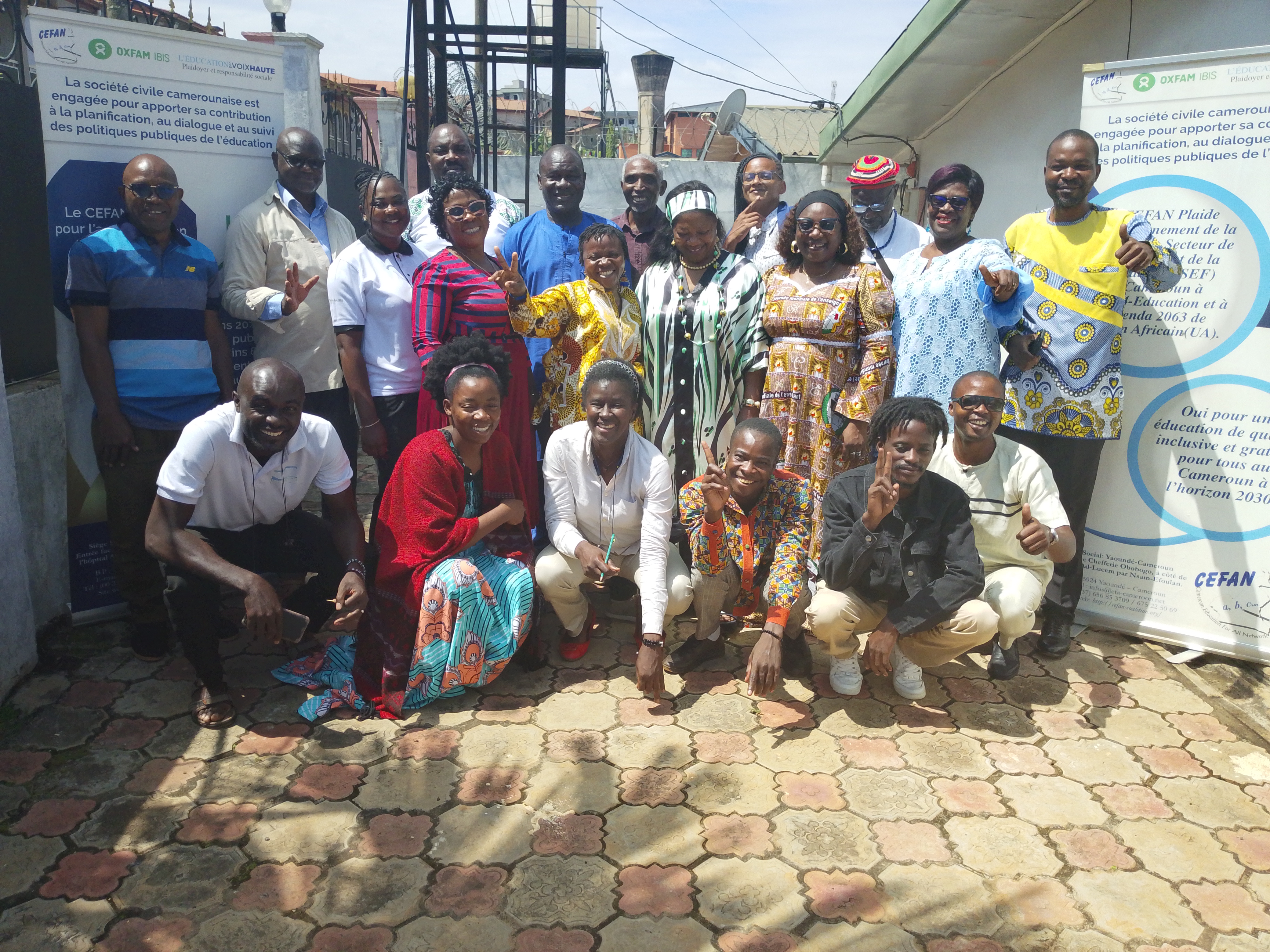
A recent assessment commissioned by the Cameroon Education For All Network (CEFAN) and completed in November 2025 provides a mixed picture of the country’s performance. The evaluation was conducted by a research team comprising Dr Albert Etienne Temken (AIEIMS-2D), Philomène Bihina (RECAMEF) and education expert Dr Charly Fonkem. Its objective was to review how far Cameroon has gone in aligning national education policies with CESA, and to identify both achievements and shortcomings.
Policy Alignment and Institutional Framework
The study finds that Cameroon’s education and training policies are broadly aligned with continental and global frameworks, including the African Union’s Agenda 2063 and the United Nations’ Sustainable Development Goal 4 on quality education. At the national level, implementation is anchored in the 2023–2030 Education and Training Sector Strategy and the National Development Strategy 2020–2030, which places human capital at the centre of economic growth.
Institutional coordination is led by the ministries responsible for basic, secondary and higher education, as well as employment and vocational training. The report also highlights growing cooperation between the Cameroonian government and international partners such as UNESCO, UNICEF and the African Development Bank, particularly in financing, capacity building and technical support.
Civil society organisations, as far as CEFAN, are playing an increasingly visible role in policy monitoring, community support and advocacy. Their involvement, the study notes, has contributed to greater transparency and independent oversight of education sector reforms.
Tangible Results on the Ground
According to the assessment, implementation of CESA in Cameroon has produced at least 12 notable outcomes. These include the recruitment and continuous training of education personnel, expansion of school infrastructure through the construction of new classrooms, and wider use of information and communication technologies in teaching.
Regulatory reforms aimed at protecting pregnant students have contributed to improved girls’ enrolment rates, while inclusive education policies are being more widely adopted. Other achievements cited include the validation of a National Qualifications and Certification Framework, participation in regional learning assessments, the expansion of literacy programmes, and the creation of new science- and technology-oriented schools.
The professionalisation of the education system, the establishment of new public and private universities with diversified programmes, and the strengthening of education data systems are also highlighted as areas of progress.
Improved Civil Society Engagement
One of the key findings of the report is the growing involvement of civil society in national education governance. Education-focused civil society organisations are now more actively engaged in Cameroon’s Voluntary National Review process, with their recommendations reflected in official reports submitted on progress towards the Sustainable Development Goals.
Persistent Structural Challenges
Despite these advances, the report underscores several enduring obstacles. Awareness and ownership of CESA remain limited among education stakeholders, including administrators and teachers. Delays in implementing structural reforms, weak inter-ministerial coordination and persistent sociocultural barriers continue to undermine policy effectiveness. Funding constraints remain a major concern, as financial and logistical resources allocated to education fall short of the sector’s needs. Deep regional and social inequalities also persist, with girls, children with disabilities and populations in rural or conflict-affected areas facing disproportionate barriers to access.
Finally, ongoing security crises in parts of the country continue to disrupt schooling and slow the pace of reform, raising concerns about Cameroon’s ability to fully meet the objectives of CESA by the end of the 2016–2025 cycle.